The Power of Negative Space in Interior Design

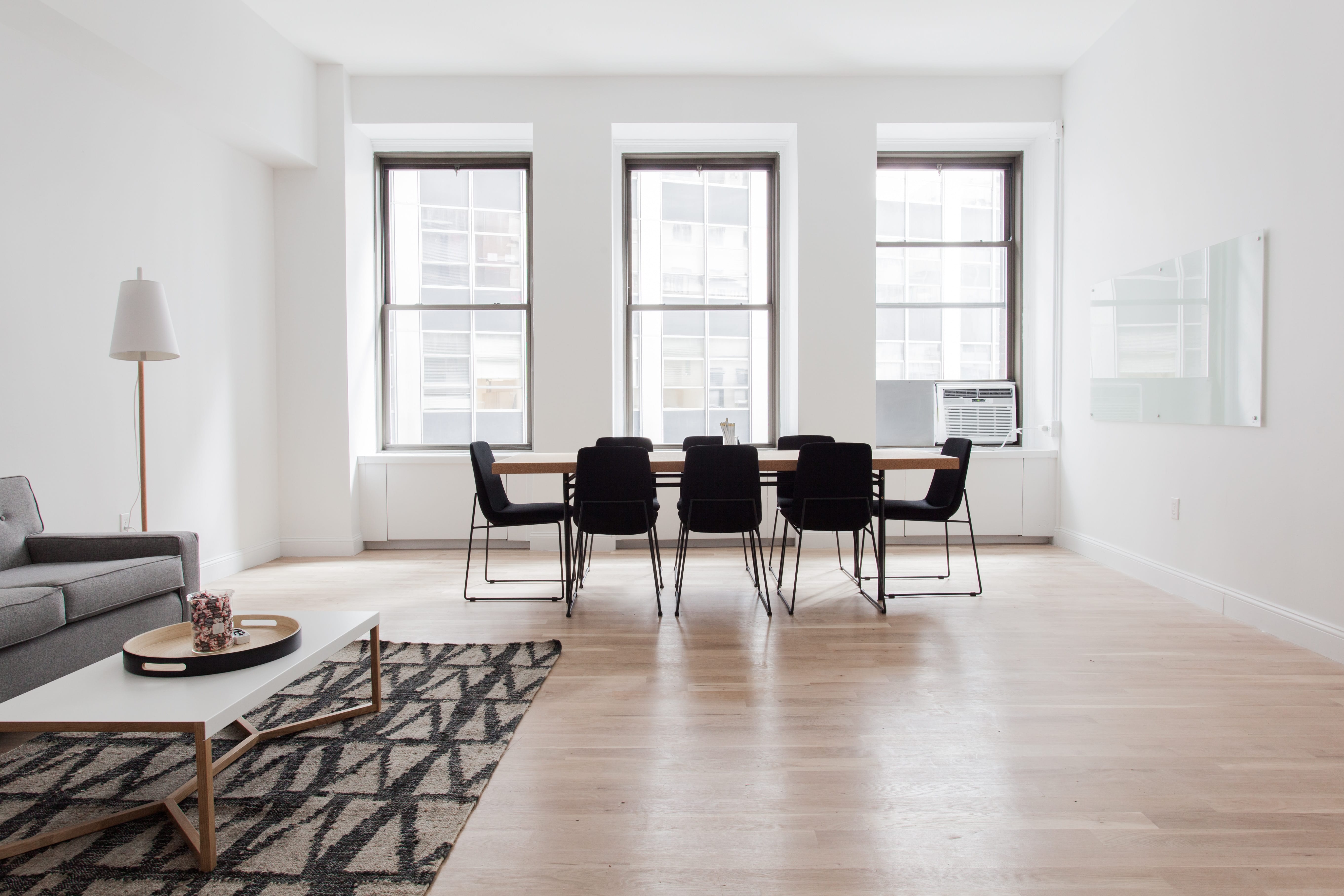
In a world that often celebrates "more," it’s easy to overlook the beauty of what’s not there. But in interior design, what you leave out is just as important as what you put in. That’s where the concept of negative space comes into play.
Introduction
In a world that often celebrates "more," it’s easy to overlook the beauty of what’s not there. But in interior design, what you leave out is just as important as what you put in. That’s where the concept of negative space comes into play.
Also known as white space, negative space is the empty or open space between objects in a room. While it may seem simple—or even like a lack of design—it’s actually a powerful tool that can bring balance, clarity, and elegance to your interiors. In this blog, we’ll explore how to use negative space intentionally to enhance every room in your home.
1. What Is Negative Space in Design?
In design terms, negative space is the area around and between visual elements. It’s not just empty air—it’s a functional and aesthetic part of the layout. In interior design, this includes:
- Space between furniture pieces
- Blank wall areas
- Floor space free of rugs or objects
- Gaps between decor items on shelves or tables
Far from being wasted, negative space helps define and emphasize what’s around it.
2. Why Negative Space Matters
Negative space does a lot of heavy lifting in a well-designed home. It:
- Creates visual breathing room and avoids clutter
- Improves flow and makes movement more comfortable
- Draws attention to focal points and statement pieces
- Reduces stress and creates a more calming environment
It’s especially important in small spaces or homes with bold design features—where clarity and balance are key.
3. Use Negative Space to Highlight Focal Points
When a space is too full, even beautiful items can get lost. Negative space allows your standout pieces to shine.
Try this:
- Leave wall space empty around a large artwork or mirror
- Use minimal decor on shelves to let each item stand out
- Center a statement chair or sculpture in a room without flanking it with more furniture
Think of negative space as a spotlight that guides the eye.
4. Allow Furniture to Breathe
Furniture placement is crucial in using negative space effectively. Avoid cramming pieces too close together or pushing everything against the walls.
Tips:
- Leave walkways at least 2–3 feet wide for easy movement
- Float furniture slightly off walls in larger rooms
- Allow space between seating pieces for side tables or open air
- Use fewer but larger pieces instead of many small ones
Letting furniture breathe makes the room feel more open and comfortable.
5. Keep Surfaces Clean and Curated
Negative space isn't just about floors and walls—it also applies to your tables, shelves, and counters.
How to style surfaces with space:
- Group decor in odd numbers (like 3) and leave room around them
- Use trays to anchor small items while keeping the surrounding area open
- Avoid filling every shelf or tabletop—let negative space define each zone
This creates a sense of intentionality and calm in even the busiest rooms.
6. Balance Bold Elements with Simplicity
If you're using dramatic colors, patterns, or textures, negative space keeps them from feeling overwhelming.
For example:
- Pair a colorful accent wall with minimal decor
- Surround a patterned rug with simple furniture
- Use one bold print pillow and leave the rest neutral
This balance ensures bold elements feel powerful—not chaotic.
7. Embrace Minimal Wall Decor
It’s tempting to fill every wall, but empty wall space can be just as impactful.
Ways to use it:
- Hang art in strategic areas and leave other parts bare
- Let architectural features like windows or arches stand alone
- Paint one wall and leave the others clean to create subtle contrast
Negative wall space adds a sense of sophistication and ease.
8. Use Symmetry and Grid Layouts Sparingly
In gallery walls or shelf styling, symmetry and repeated layouts can get visually heavy. To keep things airy:
- Break the grid with open spaces between frames
- Mix full shelves with partially filled ones
- Allow for visual pauses in between decor clusters
This makes your design feel more natural and less rigid.
9. Apply Negative Space in Every Room
Each room benefits from negative space differently:
Bedroom: Uncluttered surfaces promote rest and relaxation
Kitchen: Empty counters make cooking easier and more peaceful
Bathroom: Open shelving and sparse decor create a spa-like feel
No matter the room, the goal is the same: clarity, comfort, and balance.
10. Trust That Less Can Be More
One of the hardest parts of using negative space is resisting the urge to add more. But often, less truly is more. An empty corner, a clean surface, or a quiet wall can say just as much as the most elaborate decor.
Design isn’t just about what you see—it’s also about how it feels. And when a space includes room to breathe, move, and think, it becomes more than beautiful—it becomes livable.
Conclusion
Negative space is the silent partner in every great design. It creates harmony, allows key pieces to stand out, and makes your home feel calm and intentional. By embracing what’s left unsaid—or in this case, unfilled—you can elevate your interiors to feel more spacious, thoughtful, and elegant.
Let go of the urge to overfill your home. Sometimes, it’s the space in between that says the most.
Recent Blogs
-

How to Choose the Best Luxury Watches 2026 Without Overpaying
-

Tesla Cybertruck vs Traditional Trucks: What Actually Matters Before You Buy
-

How to Choose a Fat Loss Program That Actually Works (Without Burning Out)
-

Upgrade Your Watch Style With Premium Strap Choices
-
How Reducing Stress Naturally Improves Your Daily Health Habits