The Role of Hydration in Skin Health

When it comes to maintaining clear, glowing, and youthful skin, hydration and skin health go hand in hand. While many focus on external skincare routines, what happens inside your body plays a critical role in how your skin looks and feels.
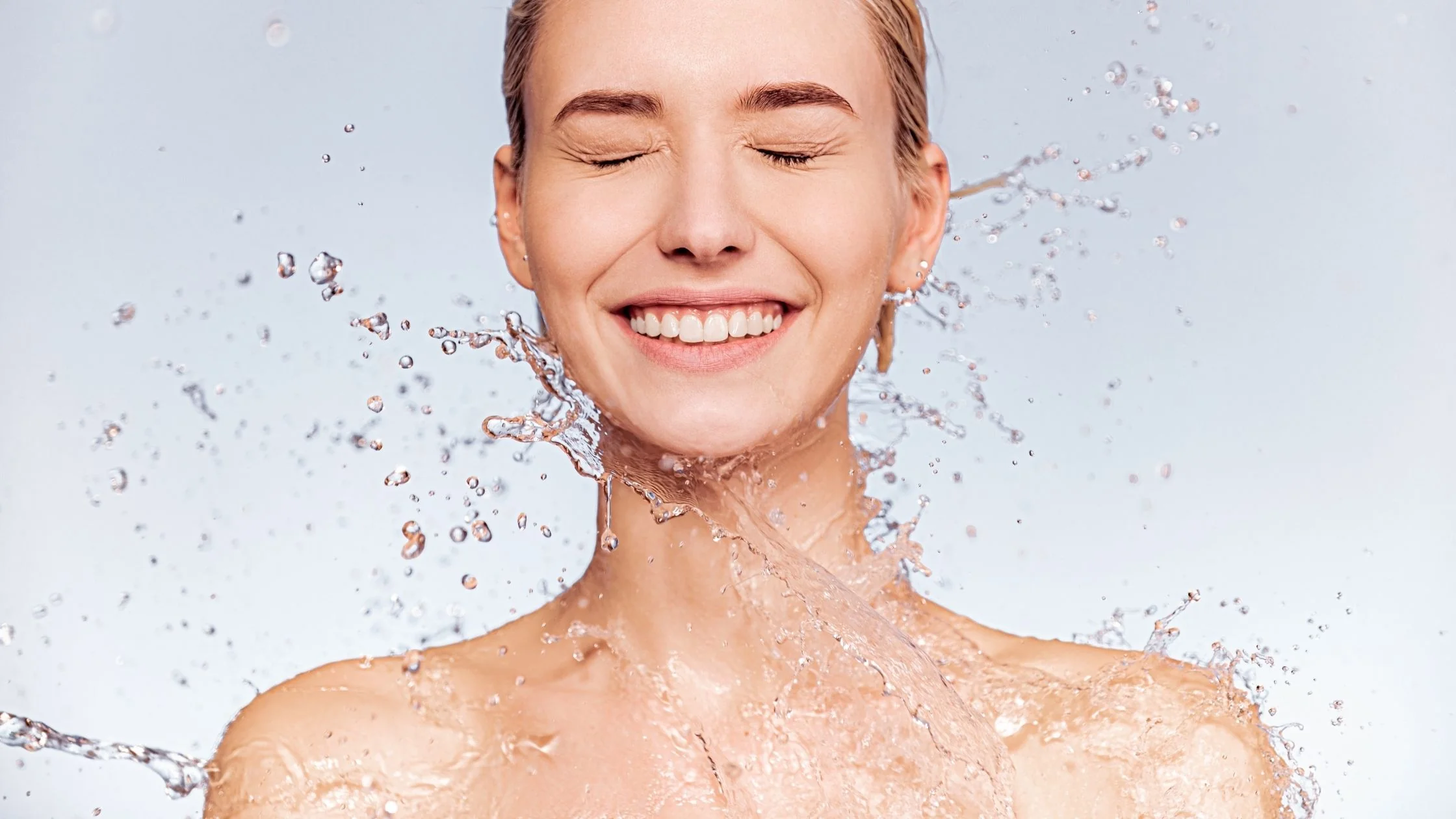
When it comes to maintaining clear, glowing, and youthful skin, hydration and skin health go hand in hand. While many focus on external skincare routines, what happens inside your body plays a critical role in how your skin looks and feels. Hydration isn’t just about drinking water—it's about maintaining moisture at the cellular level to support skin barrier function, elasticity, and overall complexion. In this blog, we’ll explore why hydration is essential for skin health, how dehydration affects the skin, and what you can do to stay properly hydrated both internally and externally.
Why Hydration Matters for Skin
Your skin is the largest organ of the body and requires adequate moisture to function properly. Water makes up about 64% of your skin, and it is essential for maintaining elasticity, flushing out toxins, and facilitating nutrient transport. When your skin is well-hydrated, it appears smooth, radiant, and resilient. When it’s not, it can look dull, flaky, and aged.
Benefits of hydrated skin:
- Improves skin elasticity and firmness
- Reduces the appearance of fine lines and wrinkles
- Supports a healthy skin barrier
- Promotes healing and prevents irritation
- Enhances the effectiveness of skincare products
Signs Your Skin is Dehydrated
Dehydrated skin is often confused with dry skin, but they are not the same. Dry skin is a skin type caused by a lack of oil, while dehydrated skin is a temporary condition due to a lack of water.
Common signs of dehydrated skin include:
- Tightness or discomfort, especially after cleansing
- Flakiness or rough texture
- Increased sensitivity or redness
- Dull complexion and uneven tone
- Fine lines that appear more pronounced
Dehydration can be caused by environmental factors like sun exposure, harsh weather, air conditioning, or excessive washing, as well as lifestyle factors such as not drinking enough fluids or consuming too much caffeine or alcohol.
How Hydration Affects the Skin Barrier
The skin barrier is your body’s first line of defense against pollutants, bacteria, and moisture loss. When the skin barrier is compromised due to dehydration, it leads to increased water loss, inflammation, and susceptibility to breakouts and irritation.
How proper hydration supports the skin barrier:
- Maintains lipid balance and barrier integrity
- Prevents trans-epidermal water loss (TEWL)
- Reduces sensitivity and inflammation
- Helps retain essential nutrients and oils
Internal Hydration: Drink Your Way to Healthy Skin
The first step to achieving hydrated skin starts from within. Water helps transport nutrients to skin cells, flush out toxins, and maintain cell structure. Without it, even the best skincare products can’t perform effectively.
Tips for internal skin hydration:
- Drink at least 8 glasses (2 liters) of water per day
- Eat water-rich fruits and vegetables like cucumber, watermelon, oranges, and lettuce
- Limit dehydrating substances like caffeine and alcohol
- Add electrolytes for better water absorption, especially after exercise
- Drink herbal teas like chamomile or green tea for added antioxidants
Bonus hydration boosters:
- Coconut water for natural electrolytes
- Aloe vera juice for skin-soothing hydration
- Bone broth for skin-plumping collagen and amino acids
External Hydration: Moisturizers and Humectants
While drinking water is vital, using topical hydrating skincare products helps lock moisture into the skin and prevent water loss. A good skincare routine helps build a moisture-retaining barrier that complements your internal hydration efforts.
Key ingredients that hydrate the skin:
- Hyaluronic acid – holds up to 1,000 times its weight in water
- Glycerin – draws moisture from the air into the skin
- Ceramides – restore and protect the skin barrier
- Aloe vera – soothes and hydrates irritated skin
- Squalane – mimics skin’s natural oils for deep moisture
Steps to boost external hydration:
- Use a gentle, non-stripping cleanser
- Apply a hydrating toner or essence immediately after cleansing
- Layer serums containing hyaluronic acid or peptides
- Use a rich moisturizer to seal in hydration
- Apply a sleeping mask at night for overnight hydration
Best Hydration Practices for Different Skin Types
Each skin type requires a tailored approach to hydration. Here's how to adjust based on your skin’s unique needs.
Oily skin:
- Use lightweight, gel-based moisturizers
- Look for oil-free formulas with hyaluronic acid
- Avoid over-cleansing, which can trigger more oil production
Dry skin:
- Choose cream or balm moisturizers with ceramides and fatty acids
- Layer hydrating products (toner, serum, cream)
- Use overnight masks for extra nourishment
Sensitive skin:
- Avoid harsh exfoliants and fragrances
- Use calming ingredients like aloe, chamomile, or oat extract
- Focus on restoring the skin barrier with ceramide-rich formulas
Combination skin:
- Use a lightweight hydrator for the T-zone and richer products for dry areas
- Apply products in layers to customize hydration levels
The Link Between Hydration and Anti-Aging
One of the most visible benefits of proper skin hydration is its role in slowing the signs of aging. Well-hydrated skin looks plump, smooth, and luminous, while dehydration can highlight fine lines, sagging, and dullness.
Anti-aging hydration tips:
- Start using hyaluronic acid and peptides early in your skincare routine
- Don’t skip moisturizer—even oily skin needs hydration
- Use sunscreen daily to prevent moisture loss and premature aging
- Incorporate facial mists or hydration sprays throughout the day
Final Thoughts
Maintaining optimal hydration for skin health requires both internal and external care. By drinking enough water, eating hydrating foods, and using moisture-retaining skincare products, you can transform your skin from dry and dull to soft, smooth, and radiant. Whether your goal is to improve skin tone, reduce breakouts, or combat aging, hydration is the foundation of any effective skincare regimen. Make it a daily priority, and your skin will thank you.
Recent Blogs
-

How to Choose the Best Luxury Watches 2026 Without Overpaying
-

Tesla Cybertruck vs Traditional Trucks: What Actually Matters Before You Buy
-

How to Choose a Fat Loss Program That Actually Works (Without Burning Out)
-

Upgrade Your Watch Style With Premium Strap Choices
-

How Reducing Stress Naturally Improves Your Daily Health Habits