The Role of Hydration in Sports Performance

Hydration is a critical component of sports performance that often gets overlooked.
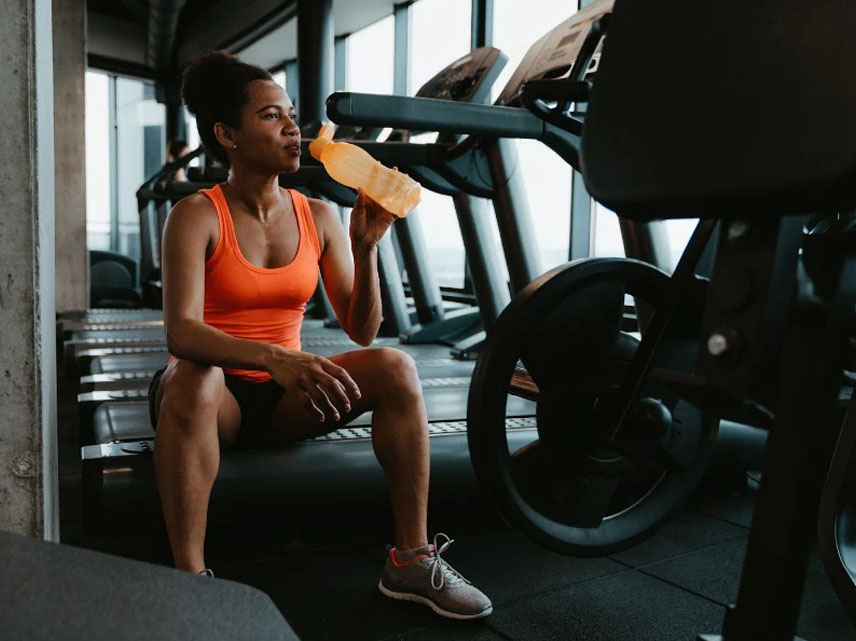
Hydration is a critical component of sports performance that often gets overlooked. While most people are aware of the need to drink water during physical activity, many do not fully grasp the significance of staying hydrated for optimal performance. Whether you are a professional athlete or a fitness enthusiast, proper hydration can make all the difference in achieving peak performance, preventing injury, and recovering faster.
In this blog, we will explore the vital role hydration plays in sports, including when and how much you should drink before, during, and after exercise. By understanding the science behind hydration and its effects on your body, you can make more informed decisions about how to stay hydrated and improve your athletic performance.
Why Hydration Matters in Sports
Water makes up around 60% of the human body, and it plays several key roles in keeping you active and healthy. From regulating body temperature and lubricating joints to transporting nutrients and removing waste, hydration is essential for every physiological function. During exercise, your body loses water primarily through sweat and respiration. If you don’t replenish these losses, you risk becoming dehydrated, which can lead to a decrease in performance, fatigue, cramps, dizziness, and even heatstroke in extreme cases.
Hydration also supports muscle function. When you are properly hydrated, your muscles are better able to contract and perform efficiently, which translates to improved strength and endurance. Dehydration, on the other hand, can lead to muscle fatigue, weakness, and an increased risk of injury.
Hydration and Performance: How Much Water Do You Need?
The amount of water you need to consume varies depending on several factors, such as the intensity and duration of exercise, the climate, and individual factors like body weight and age. However, general guidelines can help you determine how much water to drink.
Before Exercise:
It's important to start your workout hydrated. Aim to drink 16-20 ounces (about 500-600 ml) of water 2-3 hours before exercising. This gives your body time to absorb the water and ensures you’re well-prepared to handle the physical demands ahead. If you're exercising in hot or humid conditions, you may need more hydration to compensate for increased sweat loss.
Drinking an additional 8-10 ounces (about 250-300 ml) 20-30 minutes before you start is also beneficial. This helps top off your hydration levels and ensures you’re ready to perform at your best.
During Exercise:
As you begin to exercise, your body starts to sweat, and this can result in significant fluid loss. To maintain hydration and avoid performance declines, it’s important to drink regularly throughout your workout. Aim to consume 7-10 ounces (about 200-300 ml) of water every 10-20 minutes during exercise, particularly if you're engaging in moderate to intense physical activity.
If you're participating in endurance sports (e.g., running, cycling, or swimming) or exercising in hot, humid conditions, you may need to adjust your intake. In these cases, you might need an electrolyte-rich drink that helps replenish sodium, potassium, and magnesium, which are lost through sweat.
After Exercise:
Rehydrating after exercise is just as important as staying hydrated during the workout itself. After intense exercise, your body is in a state of recovery, and replenishing the fluids lost is essential. The goal is to drink enough to restore normal fluid balance and facilitate recovery.
Ideally, you should consume 16-24 ounces (about 500-700 ml) of water for every pound (about 0.5 kg) of body weight lost during exercise. This can vary depending on the intensity of the workout and how much you sweat, but a good rule of thumb is to weigh yourself before and after exercise to gauge fluid loss.
In addition to water, you can benefit from drinks that contain electrolytes, which help to restore the body’s sodium, potassium, and other minerals, ensuring that your muscle and nerve functions stay optimal.
Signs of Dehydration and How to Prevent It
Dehydration occurs when your body loses more fluids than it takes in, leading to an imbalance that impairs bodily functions. In a sporting context, dehydration can severely impact your performance and increase your risk of injury. Here are some signs of dehydration to look out for:
- Dry mouth and throat
- Fatigue or lethargy
- Dark-colored urine (a sign of concentrated urine)
- Dizziness or lightheadedness
- Muscle cramps
- Headaches
- Decreased performance or endurance
If you experience any of these symptoms during or after exercise, it’s essential to stop your activity and rehydrate immediately. Drinking water or an electrolyte beverage is crucial, but the best prevention is to hydrate consistently before, during, and after physical activity.
How to Stay Hydrated in Different Climates
Hydration needs may vary depending on the climate and environmental conditions. Exercising in hot, humid, or dry environments increases your risk of dehydration due to higher sweat losses. To prevent dehydration in such conditions, it’s important to:
- Drink more water before, during, and after exercise.
- Wear moisture-wicking clothing to help reduce sweat buildup.
- Take breaks to cool off and avoid overexertion in extreme heat.
- Opt for sports drinks containing electrolytes to help replace the minerals lost through sweating.
In cooler climates, dehydration is still a risk, but it may not be as obvious since you may not sweat as much. However, your body still loses moisture through respiration and sweat, so it's essential to stay mindful of hydration regardless of the temperature.
The Role of Electrolytes in Hydration
Electrolytes are minerals such as sodium, potassium, calcium, and magnesium that play a crucial role in maintaining fluid balance, muscle contractions, and nerve signaling. During exercise, electrolytes are lost through sweat, which can lead to muscle cramps, fatigue, and decreased performance if not replaced.
Water alone is not always sufficient for proper hydration during intense or prolonged exercise. Electrolyte drinks or sports drinks can help replace the minerals lost in sweat. These drinks also help to balance the body’s fluid levels, ensuring that your muscles can function optimally.
However, it’s important to choose sports drinks that are low in sugar and contain a balanced mix of electrolytes. Coconut water is also a natural alternative that provides a good source of potassium and magnesium.
Conclusion
Hydration is one of the most important aspects of sports performance that is often overlooked. By understanding when and how much to drink before, during, and after exercise, you can improve your athletic performance, enhance your endurance, and prevent dehydration-related issues like cramps and fatigue.Remember, staying hydrated is not just about drinking water but also about replenishing electrolytes during intense workouts or in hot conditions. Make hydration a priority, and you'll notice the difference in your performance and overall well-being. Keep your body hydrated, and it will repay you with improved focus, strength, and stamina as you reach new heights in your fitness journey.
Recent Blogs
-

How to Choose the Best Luxury Watches 2026 Without Overpaying
-

Tesla Cybertruck vs Traditional Trucks: What Actually Matters Before You Buy
-

How to Choose a Fat Loss Program That Actually Works (Without Burning Out)
-

Upgrade Your Watch Style With Premium Strap Choices
-

How Reducing Stress Naturally Improves Your Daily Health Habits