Transitional Design: Where Classic Meets Contemporary

In the world of interior design, styles often fall into categories like traditional, modern, rustic, or industrial. But what if you love the comfort of classic design and the simplicity of contemporary spaces? Enter transitional design—a timeless style that blends the best of both worlds.
Introduction
In the world of interior design, styles often fall into categories like traditional, modern, rustic, or industrial. But what if you love the comfort of classic design and the simplicity of contemporary spaces? Enter transitional design—a timeless style that blends the best of both worlds.
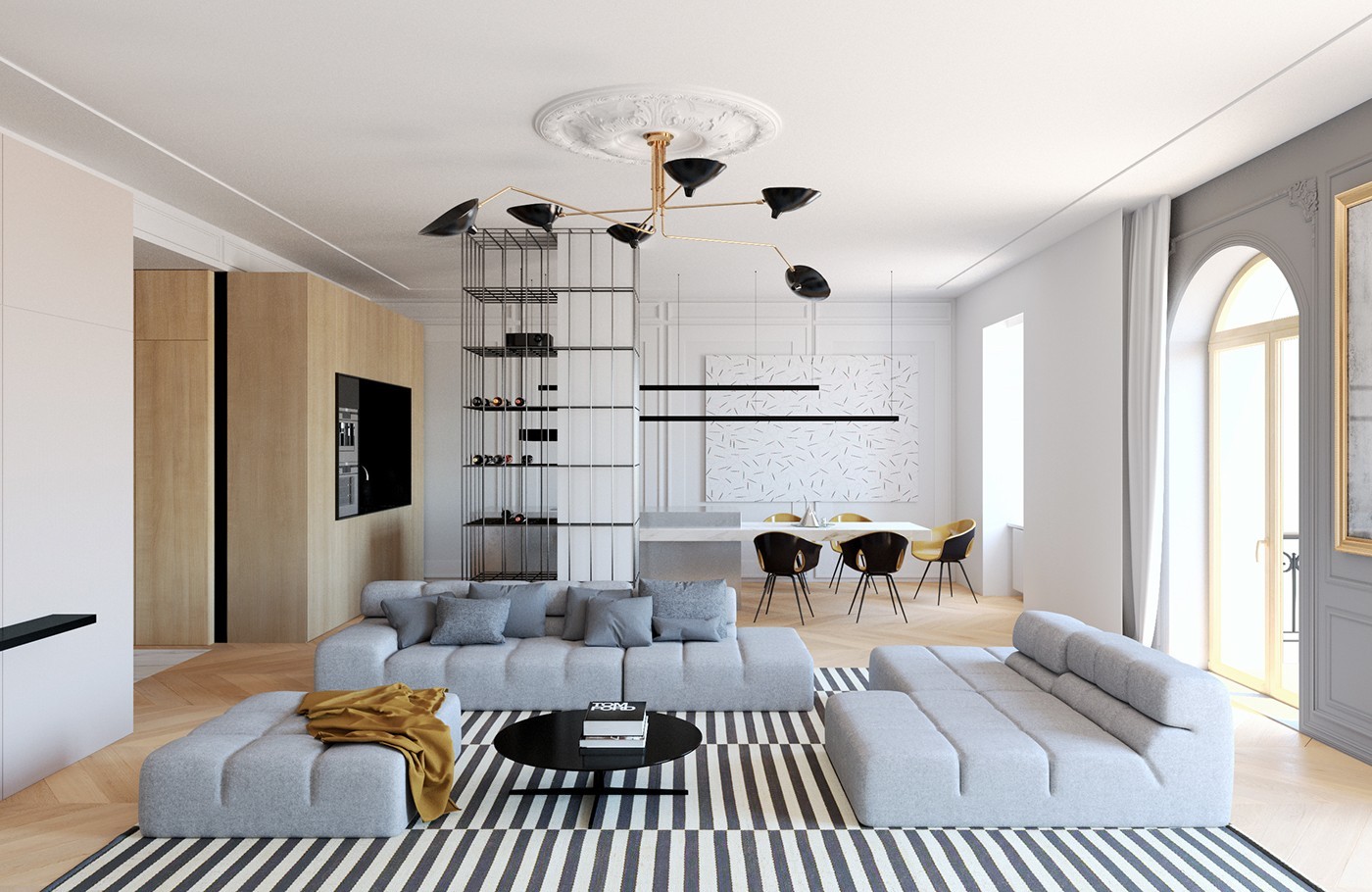
Transitional interiors balance the warmth and detail of traditional decor with the clean lines and minimalism of modern design. It’s the sweet spot where elegant meets fresh, and comfort meets sophistication. In this blog, we’ll explore the key elements of transitional design and how to create a home that feels both current and enduring.
1. What Is Transitional Design?
Transitional design is a hybrid interior style that combines:
- The symmetry, texture, and character of traditional interiors
- The streamlined furniture, open space, and restraint of modern design
The result is a look that’s:
- Calm and uncluttered
- Warm and inviting
- Refined, but never fussy
- Classic, but not dated
It’s ideal for those who want a timeless aesthetic without leaning too heavily into either extreme.
2. The Power of a Neutral Color Palette
Color is the quiet backbone of transitional spaces. Think soft, soothing, and balanced.
Go-to hues include:
- Warm whites and ivory
- Taupe and greige (a blend of gray and beige)
- Dusty blues, sage greens, or muted blushes as accents
- Charcoal or espresso as grounding tones
This neutral palette creates a calm base that allows both modern and traditional elements to coexist beautifully.
3. Furniture: Mix Classic Silhouettes with Clean Lines
Furniture in transitional spaces is all about balance—not too ornate, not too stark.
Tips for choosing transitional furniture:
- Look for classic shapes with updated fabrics (e.g., a rolled-arm sofa in linen)
- Avoid excessive carvings or decorative legs, but don’t go ultra-sleek either
- Combine wood and upholstery for warmth and texture
- Incorporate curved forms alongside straight-edged pieces
A tufted bench next to a minimalist console? That’s transitional harmony in action.
4. Focus on Texture Over Pattern
Rather than bold or busy patterns, transitional spaces rely on rich textures to create depth and interest.
Incorporate:
- Natural textiles like cotton, wool, linen, and leather
- Woven elements like rugs, baskets, or rattan accents
- Upholstered pieces with subtle tone-on-tone weaves or embroidery
- Layered drapery and soft rugs for a tactile, cozy atmosphere
If patterns are used, they tend to be simple and classic—like herringbone, stripes, or soft florals in low-contrast tones.
5. Embrace Symmetry with a Modern Twist
Symmetry is a hallmark of traditional design, and it plays well in transitional interiors.
Ways to incorporate it:
- Matching nightstands and lamps
- Identical armchairs flanking a fireplace
- A pair of sconces or mirrors for balance
Pair this symmetry with modern details—such as sleek hardware, minimal art, or sculptural lighting—to keep the space feeling fresh.
6. Lighting as a Bridge Between Eras
Lighting is a powerful unifier in transitional spaces. Look for fixtures that feel both classic and current.
Great choices include:
- Chandeliers with modern lines but traditional finishes
- Globe or cone pendant lights in brass or black matte
- Table lamps with ceramic bases and linen shades
- Wall sconces in a symmetrical pair
Lighting not only provides functionality but also acts as a key decorative feature that ties the style together.
7. Minimal, Curated Decor
While traditional homes often include plenty of accessories, transitional design favors curation over clutter.
Decorate with intention:
- Use a few well-placed vases, books, or sculptural objects
- Hang artwork with clean frames and subtle palettes
- Style coffee tables and shelves with breathing room between items
This minimal approach allows both the architecture and the furniture to stand out without being overshadowed.
8. Wood and Metal for Warmth and Edge
Blending materials is key to transitional design. Use wood for warmth and metal for structure.
Ideas:
- A wooden dining table with metal legs
- A classic wooden dresser with modern metal pulls
- A metal-framed mirror above a traditional console
These material contrasts create visual interest and a timeless aesthetic that feels refined without being overly formal.
9. Functional Layouts with a Comfortable Flow
Transitional design favors open, functional layouts that emphasize comfort.
- Keep furniture proportions generous but not bulky
- Arrange seating for conversation and connection
- Avoid overfilling rooms—leave space for natural flow
- Make comfort a priority in every room, especially with upholstered items
The goal is to feel invited and at ease, no matter how elegant the setting.
10. Let the Architecture Lead
Whether your home is new or old, let the architecture inform your choices.
- In homes with crown molding and wainscoting, introduce clean-lined furniture for balance
- In more modern spaces, add architectural interest with classic millwork, framed art, or built-ins
- Use neutral paint to highlight molding and trim instead of overpowering it
This architectural awareness helps your design feel natural and cohesive.
Conclusion
Transitional design is the art of balance—merging old and new, elegance and simplicity, comfort and style. By combining the structure of traditional interiors with the clean ease of modern aesthetics, you can create a space that feels fresh, timeless, and completely livable.
It’s a style that adapts, evolves, and suits a wide range of tastes—making it perfect for homes that need to reflect both personality and polish.
Recent Blogs
-

How to Choose the Best Luxury Watches 2026 Without Overpaying
-

Tesla Cybertruck vs Traditional Trucks: What Actually Matters Before You Buy
-

How to Choose a Fat Loss Program That Actually Works (Without Burning Out)
-

Upgrade Your Watch Style With Premium Strap Choices
-

How Reducing Stress Naturally Improves Your Daily Health Habits