Use Smart Shelving to Organize and Display Beautifully

Shelving is one of the most versatile tools in interior design. Whether you're looking to showcase your favorite books, display treasured decor, or simply gain extra storage space, smart shelving solutions can do it all. But beyond their practical use, shelves can also become a central part of your home’s aesthetic.
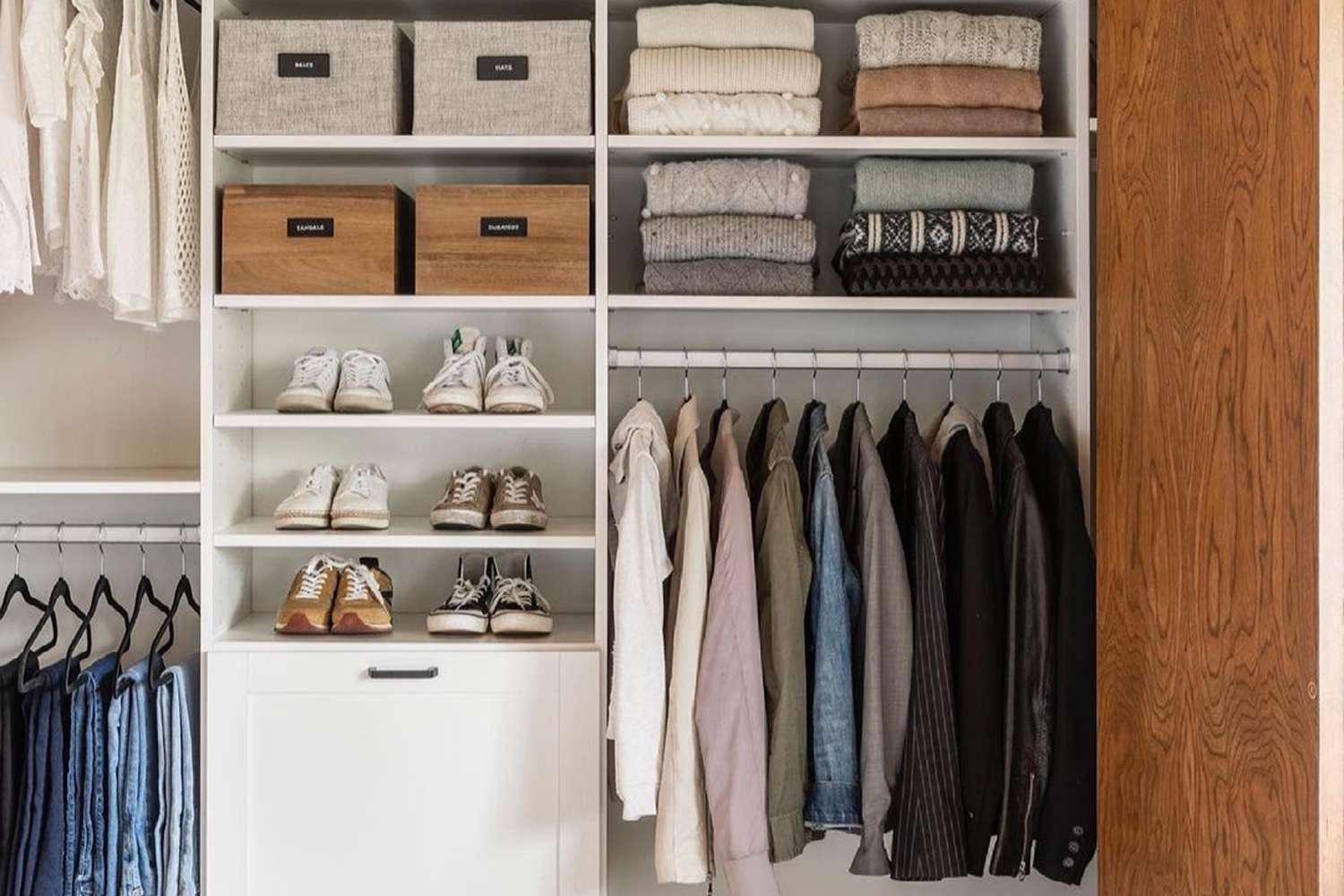
Introduction
Shelving is one of the most versatile tools in interior design. Whether you're looking to showcase your favorite books, display treasured decor, or simply gain extra storage space, smart shelving solutions can do it all. But beyond their practical use, shelves can also become a central part of your home’s aesthetic.
The key lies in choosing the right type of shelving and styling it in a way that’s both functional and visually appealing. In this blog, we’ll explore how to use smart shelving to organize with intention and display with flair, room by room.
1. Choose the Right Type of Shelf for the Space
Every room has unique needs, and shelving should meet both the practical and visual demands of the space.
Common types include:
- Floating shelves for a clean, minimalist look
- Built-in shelves for a polished, integrated appearance
- Corner shelves to maximize awkward or unused spaces
- Ladder shelves for freestanding style and mobility
- Wall-mounted cubbies for modern, geometric organization
Choose based on your space limitations, the items you need to store or display, and your overall design style.
2. Balance Form and Function
Smart shelving isn’t just about what you can fit—it’s about what you want to highlight and how it complements the rest of your room.
Tips:
- Combine storage and display by placing decorative boxes next to art objects
- Keep frequently used items within reach and eye level
- Use lower shelves for heavier objects and upper ones for lighter decor
A balance between practical storage and artistic curation makes shelves feel both useful and intentional.
3. Use Repetition and Symmetry for Cohesion
To make shelving look styled rather than cluttered, rely on repetition and symmetry.
Try:
- Repeating shapes, like round baskets or square frames
- Sticking to a limited color palette across items
- Using similar materials (e.g., all wood, all metal) for a unified look
Repeating visual elements creates rhythm, making your shelves feel composed and harmonious.
4. Vary Heights and Layer Items
Avoid a flat or static look by creating depth and movement on each shelf.
Styling strategies:
- Stack books horizontally and vertically
- Layer frames or mirrors in front of each other
- Vary item heights using risers or stacked boxes
- Lean art pieces against the wall instead of always hanging
This dynamic styling adds visual richness and keeps the display engaging.
5. Incorporate Closed Storage Elements
Even the best-styled shelves can look chaotic without some form of hidden storage.
Use:
- Decorative boxes or baskets to hold miscellaneous items
- Magazine holders for papers or mail
- Lidded jars or canisters in kitchens and bathrooms
- Drawer units within cubby shelves
These hidden storage elements help reduce visual clutter while keeping everything accessible.
6. Use Shelving as a Focal Point
With the right styling, shelves can become a design centerpiece.
Ideas:
- Paint the wall behind shelves a contrasting color
- Use wallpaper or wood paneling to accent the backdrop
- Install lighting (LED strips, puck lights) under or above each shelf
- Feature seasonal decor to keep the display fresh
Making your shelves stand out turns them into an artistic feature—not just a functional element.
7. Maximize Vertical and Awkward Spaces
Shelving is especially valuable in areas where traditional furniture won’t fit.
Examples:
- Install vertical shelves in tight hallways or nooks
- Use above-door shelving in bathrooms or laundry rooms
- Add corner units in bedrooms or home offices
- Hang small shelves above beds, desks, or radiators
These smart placements increase storage without crowding your floor plan.
8. Curate Personal Touches
Your shelving should tell a story—your story.
Add:
- Framed photos or postcards
- Souvenirs or travel finds
- Favorite books or albums
- A mix of vintage and modern objects
When you personalize your display, the shelves feel lived-in, warm, and genuinely reflective of you.
9. Keep it Flexible
Shelving can—and should—evolve with your needs. Choose adaptable systems when possible.
Look for:
- Modular shelving that can be reconfigured
- Adjustable shelf heights for changing storage needs
- Freestanding shelves that can move between rooms
- Pegboard walls or rail systems for total flexibility
A flexible setup ensures your shelves remain useful and stylish over time.
10. Don’t Overcrowd
Perhaps the most important rule of all: less is more. A few thoughtfully placed objects are more impactful than overcrowded shelves.
Tips:
- Leave space between objects to give them room to breathe
- Limit each shelf to 3–5 main elements
- Rotate decor seasonally to keep things fresh and uncluttered
Decluttered shelves contribute to a calm, clean home atmosphere.
Conclusion
Smart shelving is more than just storage—it’s an opportunity to organize with intention and decorate with heart. With the right placement, styling, and balance, shelves become both functional solutions and stunning visual elements in any room.
Whether you’re styling a living room bookcase, a kitchen rack, or a floating shelf in your bedroom, remember: the best shelves serve both your storage needs and your personal aesthetic.
Recent Blogs
-

How to Choose the Best Luxury Watches 2026 Without Overpaying
-

Tesla Cybertruck vs Traditional Trucks: What Actually Matters Before You Buy
-

How to Choose a Fat Loss Program That Actually Works (Without Burning Out)
-

Upgrade Your Watch Style With Premium Strap Choices
-

How Reducing Stress Naturally Improves Your Daily Health Habits